
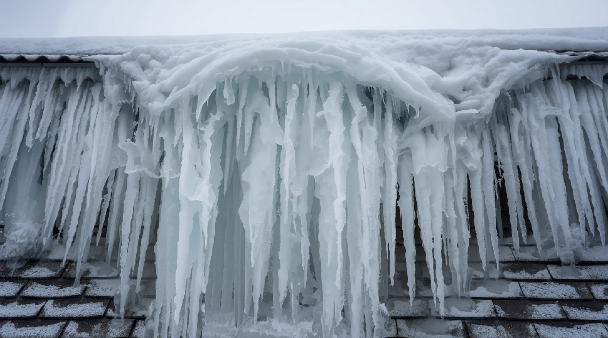
ice damming
Course Overview: Ice Damming – Prevention, Pathophysiology, and Professional Mitigation
Ice Damming is a complex thermal and structural phenomenon that can cause catastrophic, hidden damage to a property’s envelope. This technical course is designed to provide property managers, insurance professionals, and home inspectors with a deep understanding of how internal building heat interacts with external environmental conditions to create ice barriers at the eave. Participants will move beyond surface-level observations to understand the "attic ecosystem," learning how to identify the early warning signs of moisture intrusion before it leads to structural rot or undetected mold growth within wall cavities and attic spaces.
The curriculum covers the critical variables that contribute to dam formation, including Roof Types, Ventilation efficiency, and Insulation R-values. Learners will evaluate the efficacy of various preventative measures—from structural bypasses to the strategic use of Heated Cables—while gaining the expertise needed to audit a building for vulnerabilities. By the end of this course, you will be equipped to provide expert-level consultations on protecting the integrity of the roof assembly and preventing the high-cost insurance claims associated with winter weather damage.
Core Learning Pillars
The Mechanics of the Dam: Analyzing how "heat loss" from the living space melts snow, which then refreezes at the cold eave to create a reservoir of standing water.
Structural Vulnerabilities: Understanding how different roof geometries and materials (shingle vs. metal) influence ice accumulation and water shedding.
The Ventilation-Insulation Balance: Mastering the science of the "Cold Roof" concept—ensuring adequate soffit-to-ridge airflow and thermal boundaries.
Mitigation Strategies: A critical review of proactive solutions, including the installation of ice and water shields and the proper application of radiant heat systems.
Forensic Damage Assessment: Learning to spot the subtle indicators of failure, such as "phantom" leaks, ceiling staining, and localized mold blooms.
Presented by Kris Kuran
Date: March 17, 2026
Live at 1 PM